




Premier League Matchweek 31 A Weekend That Shifted the Mood, If Not Yet the Table

Premier League Matchweek 31 A Weekend That Shifted the Mood, If Not Yet the Table
There are weekends in the Premier League that redraw the table.
And then there are weekends like this — the kind that quietly change how we feel about it.
Matchweek 31 didn’t crown a champion or seal a relegation, but it did something arguably more important: it exposed fault lines. In title contenders, in top-four hopefuls, and in teams still searching for identity this late in the season.
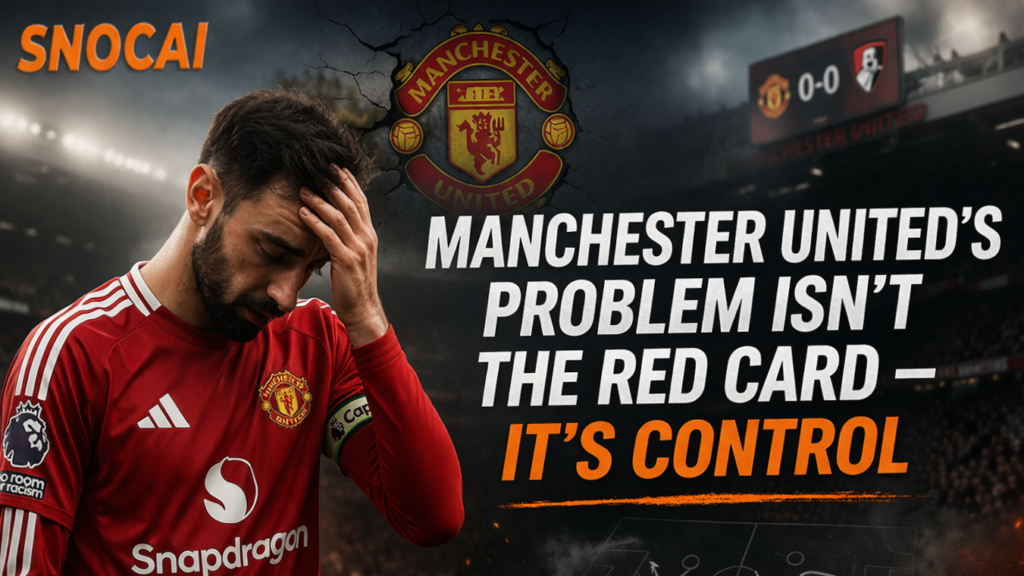
Premier League Matchweek 31: Bournemouth vs Manchester United Analysis
Manchester United will point to the red card. They always do.
But this felt less like misfortune and more like something structural. Even before the sending-off, Bournemouth were finding spaces too easily, asking questions United never fully answered.
The numbers only reinforce the eye test — more shots, more intensity, more clarity from the home side.
United had moments. Bournemouth had control.
And over 90 minutes, that difference tends to tell.
Premier League Matchweek 31: Brighton vs Liverpool Analysis
Liverpool didn’t play badly. That’s what makes this result interesting.
They had the ball, they moved it well, and for long spells, they looked like the more “complete” side. But Brighton didn’t need completeness — they needed precision.
Danny Welbeck, twice in the right place, twice with the right finish.
There’s a growing sense with Brighton that they understand something others don’t: you don’t have to dominate a game to own it.
Fulham 3-1 Burnley — Pressure, Then Punch
Fulham didn’t start fast. They didn’t need to.
What stood out was their patience. The volume of chances — 20+ shots — suggested a team that trusted the process rather than forcing it.
Burnley stayed alive for longer than expected, but once Fulham found their rhythm, the outcome felt inevitable.
Not spectacular. Just controlled.
Everton 3-0 Chelsea — Efficiency as a Weapon
If football were played on possession alone, Chelsea might have taken something here.
But it isn’t.
Everton’s performance was almost brutally simple: fewer passes, fewer touches, but far more purpose. Seven shots on target from eight attempts is the kind of efficiency managers dream about.
Chelsea, meanwhile, continue to look like a collection of ideas rather than a finished thought.
Newcastle 1-2 Sunderland — Derby Logic Applies
You can throw form, stats, and league position out the window when it comes to derbies.
Newcastle had more of the ball, more of the territory, more of the expected control. Sunderland had something less measurable — urgency, maybe even defiance.
And in the end, that was enough.
Late goals in these fixtures always feel heavier. This one certainly did.
Tottenham 0-3 Nottingham Forest — When Control Means Nothing
Tottenham’s performance will frustrate their fans more than it will worry their rivals.
Because on paper, it doesn’t look like a collapse. More possession, more passes, even a decent number of attacking entries.
But none of it translated into real threat.
Forest, on the other hand, were clinical in a way Spurs simply weren’t. Three goals, limited chances, maximum damage.
There’s a lesson in there somewhere — and it’s not a new one.
Aston Villa 2-0 West Ham — Quietly Serious
Not every convincing win needs to be loud.
Aston Villa handled this game with a kind of calm authority that says a lot about where they are right now. They didn’t chase the match, they didn’t overextend — they simply controlled the key moments.
And increasingly, that’s what good teams do.
Leeds 0-0 Brentford — A Point That Tells You Very Little
Some matches leave a mark. This wasn’t one of them.
Leeds had more of everything — the ball, the territory, the attempts. Brentford had the structure.
In the end, neither quite had enough quality where it mattered.
A draw that feels exactly like a draw.
The Table — Stable on Paper, Unstable Beneath
Arsenal remain where they’ve been for a while now: top, and deservedly so.
But what sits underneath them feels far less settled.
Manchester City are close enough to apply pressure. Manchester United are inconsistent but still relevant. Aston Villa are no longer a surprise package — they’re part of the conversation.
And just below that, the margins tighten quickly. A single result can still swing momentum dramatically.
Golden Boot Watch — Haaland Leads, But It’s Not Over
Erling Haaland remains the reference point with 22 goals.
But the gap isn’t insurmountable.
Igor Thiago continues to push. Antoine Semenyo is quietly building a strong case. João Pedro and Danny Welbeck are now close enough to matter — especially with form on their side.
Golden Boot races aren’t always about who starts strongest.
They’re often about who finishes it.
So What Did We Really Learn?
Maybe less than we expected. And more than it seems.
This weekend didn’t rewrite the standings — but it reshaped the narrative:
- Possession is becoming less relevant without purpose
- Efficiency is starting to define outcomes
- And perhaps most importantly, consistency is still the rarest quality in the league
There’s still time. Enough for things to change, but not enough for teams to hide.
And that’s where the Premier League becomes most interesting.
More Premier League Analysis
Explore deeper match breakdowns, tactical insights and weekly features on snocai.com